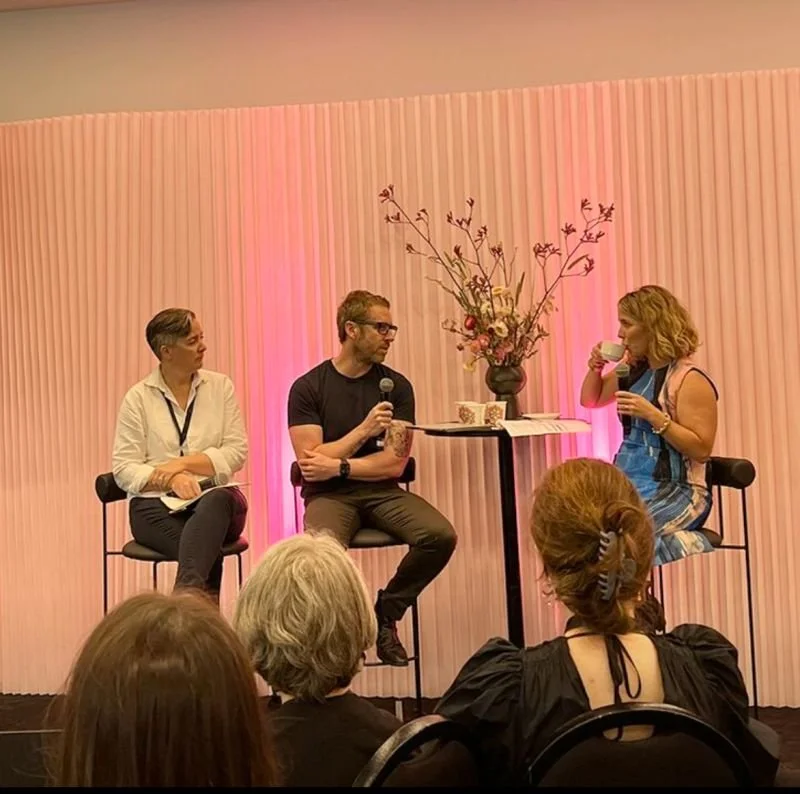
AdaptNSW Forum 2025: Why climate adaptation needs culture as much as data
Future Focus attended the AdaptNSW Forum 2025, where one message consistently rose to the surface: climate adaptation is not only a technical challenge, it is a cultural one. Across sessions, speakers urged participants to rethink how we understand, communicate and inspire action in a rapidly changing world.
At a panel on culture and climate futures, speakers explored how films, music, television and online storytelling are shaping the public’s emotional landscape around climate change, often more than policy or science ever could. Despite the scale of the crisis, explicit climate narratives remain surprisingly rare in mainstream culture. Instead, audiences are processing climate fear and grief through indirect forms like zombie series, survivalist TV or nostalgia-heavy escapist trends. These cultural proxies reveal how people feel about planetary disruption, even when the subject isn’t named.
Yet when provoked, climate values surface clearly. The backlash to a recent celebrity space stunt, for example, showed that people can articulate concerns about waste, inequality and misplaced priorities with striking clarity. As several panelists noted, these instincts signal cultural readiness, even if they haven’t yet translated into visible pro-climate storytelling.
The discussion highlighted a crucial truth: culture shapes what society believes is possible. For climate adaptation to gain broad momentum, climate narratives must become part of everyday cultural life, not confined to scientific reports or policy forums. Symbols, language and representation matter. They can normalise new ways of living, build empathy and shift public appetite for large-scale action.
Ellie Moss, who joined the panel, emphasised that adaptation relies on imagination as much as infrastructure. Multiple knowledge systems, emotional engagement and creative partnerships all have a role to play in helping people move from awareness to meaningful action.
The Forum offered a timely reminder that shaping resilient futures requires not just data and investment, but cultural presence. When climate adaptation becomes part of the stories we tell, the mindsets and momentum needed for real change can follow.